This website use cookies to ensure you get the best experience on our website
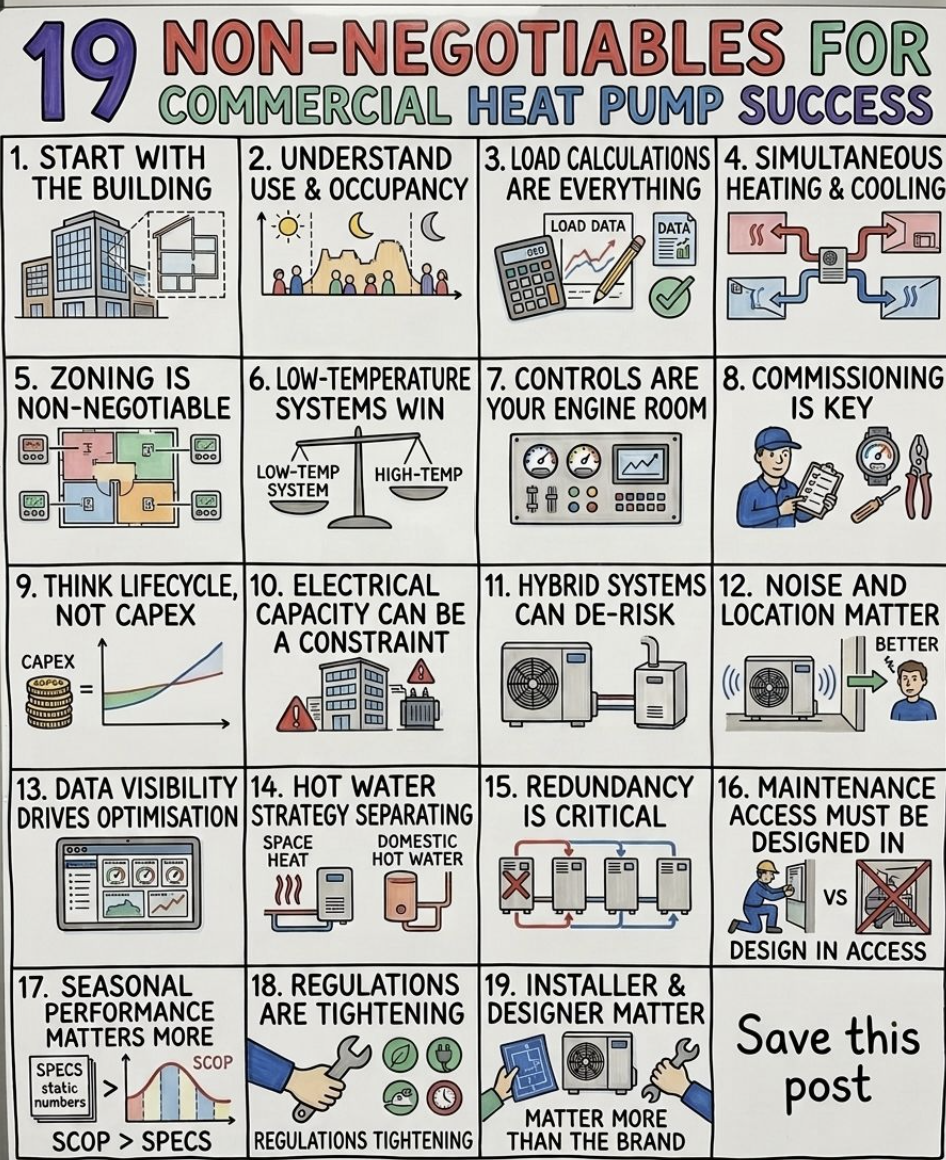
19 non-negotiables for commercial heat pump success
Poor planning is where most commercial heat pump projects go wrong. Here are the 19 things you need to get right, from load calculations and zoning to controls, commissioning and real-world SCOP.
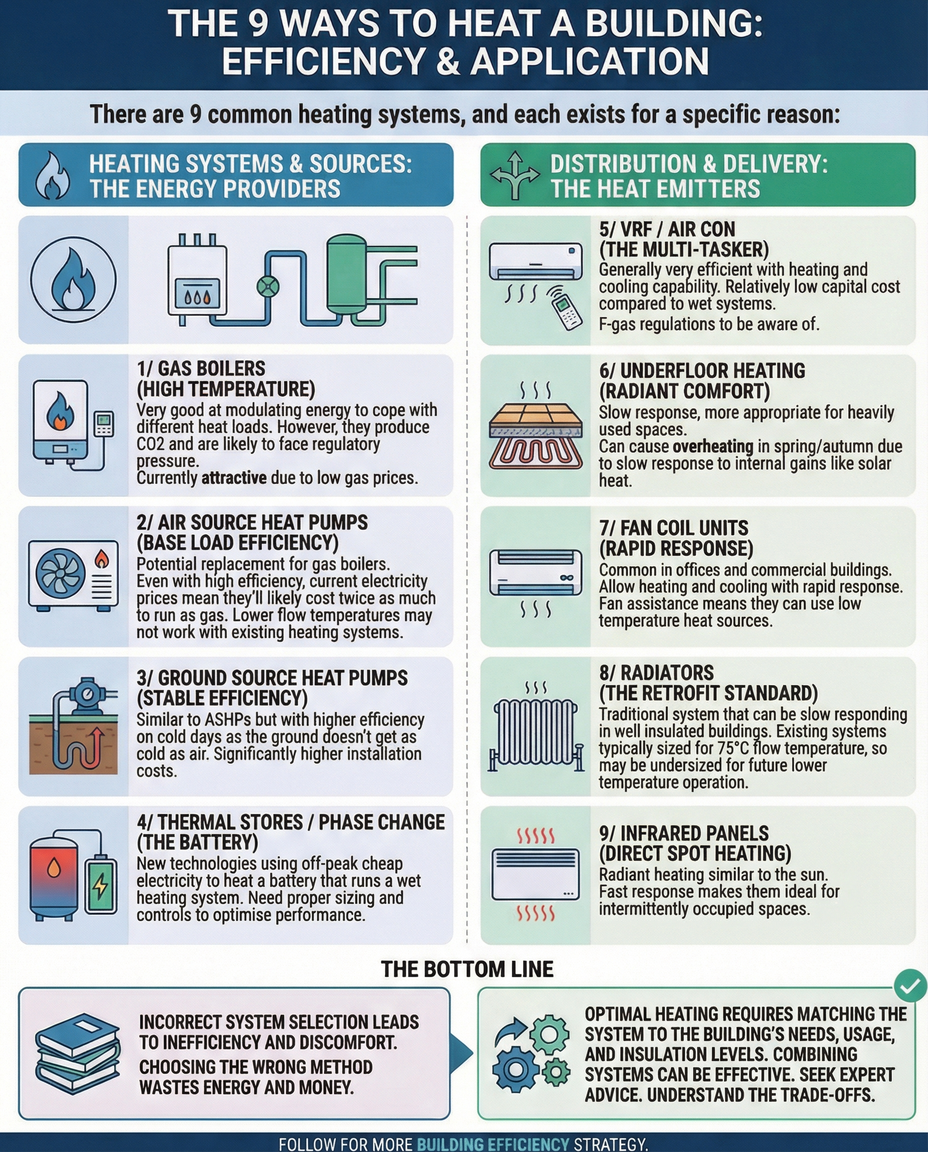
9 Options for electrical heating
The post discusses decarbonising buildings by replacing gas and oil boilers with electrical heating and emphasizes that to choose the right system, you need to understand how the building is used and its thermal performance rather than relying solely on traditional, flawed modelling. Additionally, your post on the "Performance Gap" covers related themes regarding operational performance and the transition to electric heating.
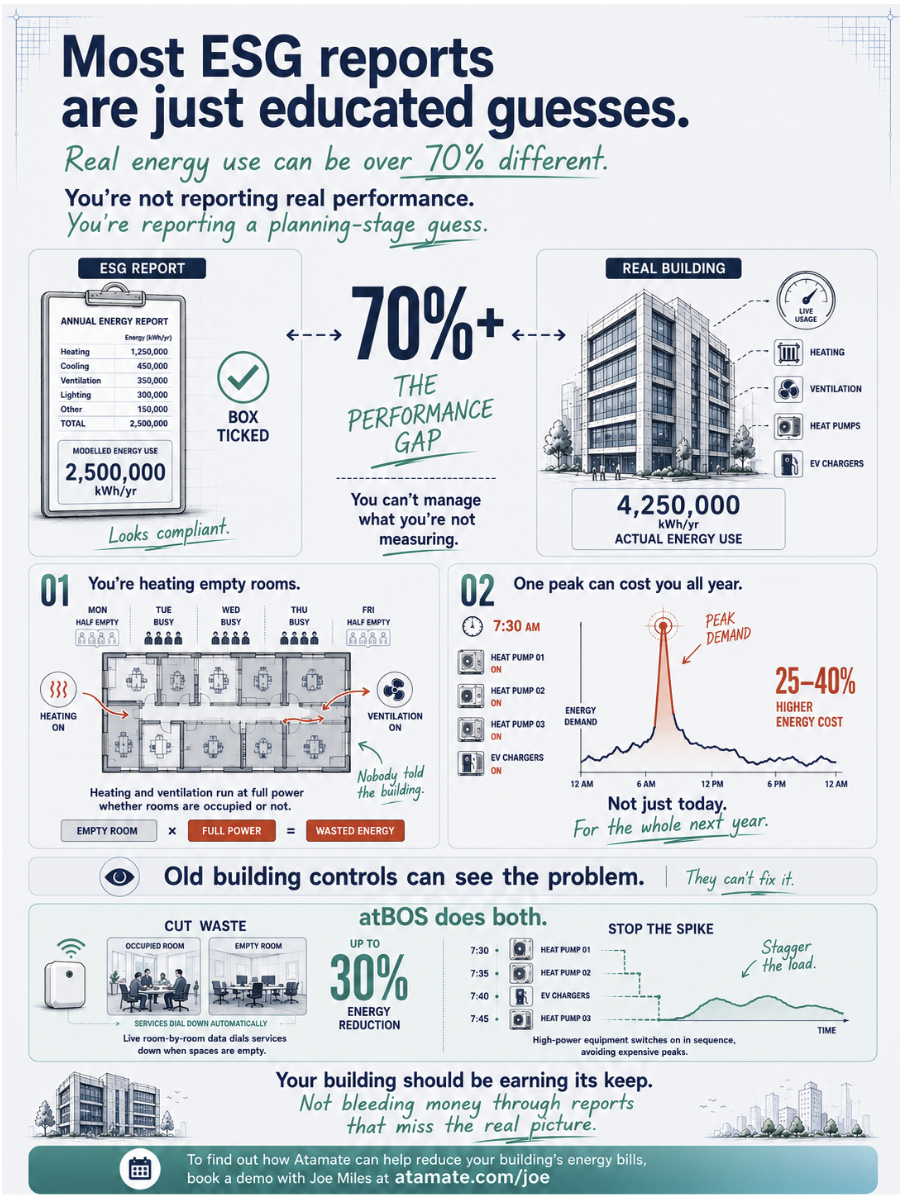
Most ESG reports are educated guesses. Here’s what that’s costing you
UK and EU building owners now have to report energy use by law, but most rely on design estimates that can be off by up to 70%. Here’s how that gap drives wasted energy and costly peak bill spikes, and how atBOS uses live room-by-room data to fix both.
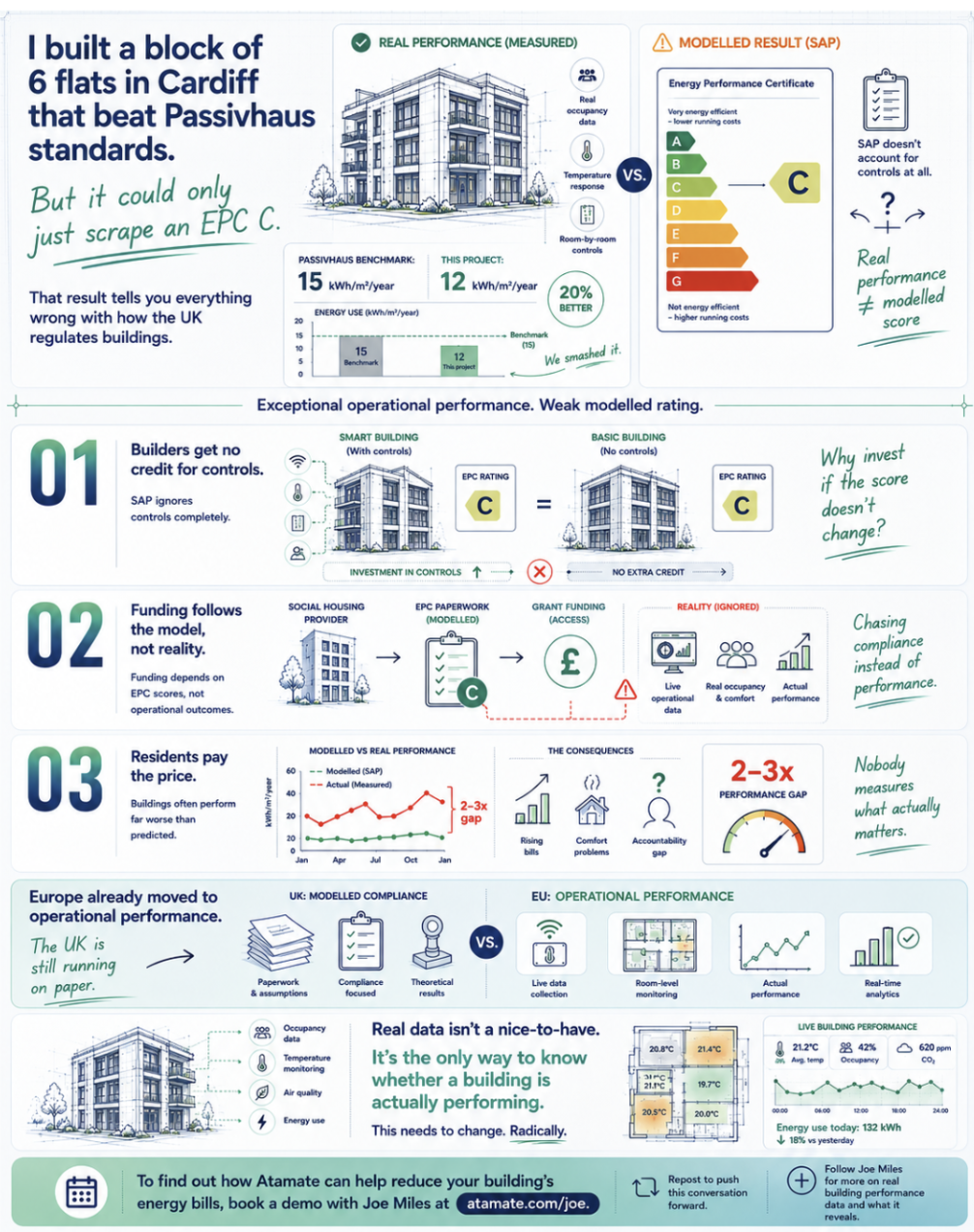
My flats beat Passivhaus and still only scraped an EPC C
I built a block of 6 flats in Cardiff that beat Passivhaus standards, yet it could only just scrape an EPC C. Here’s why SAP ignores controls and real performance, and what that means for builders, social housing providers and the residents paying the bills.
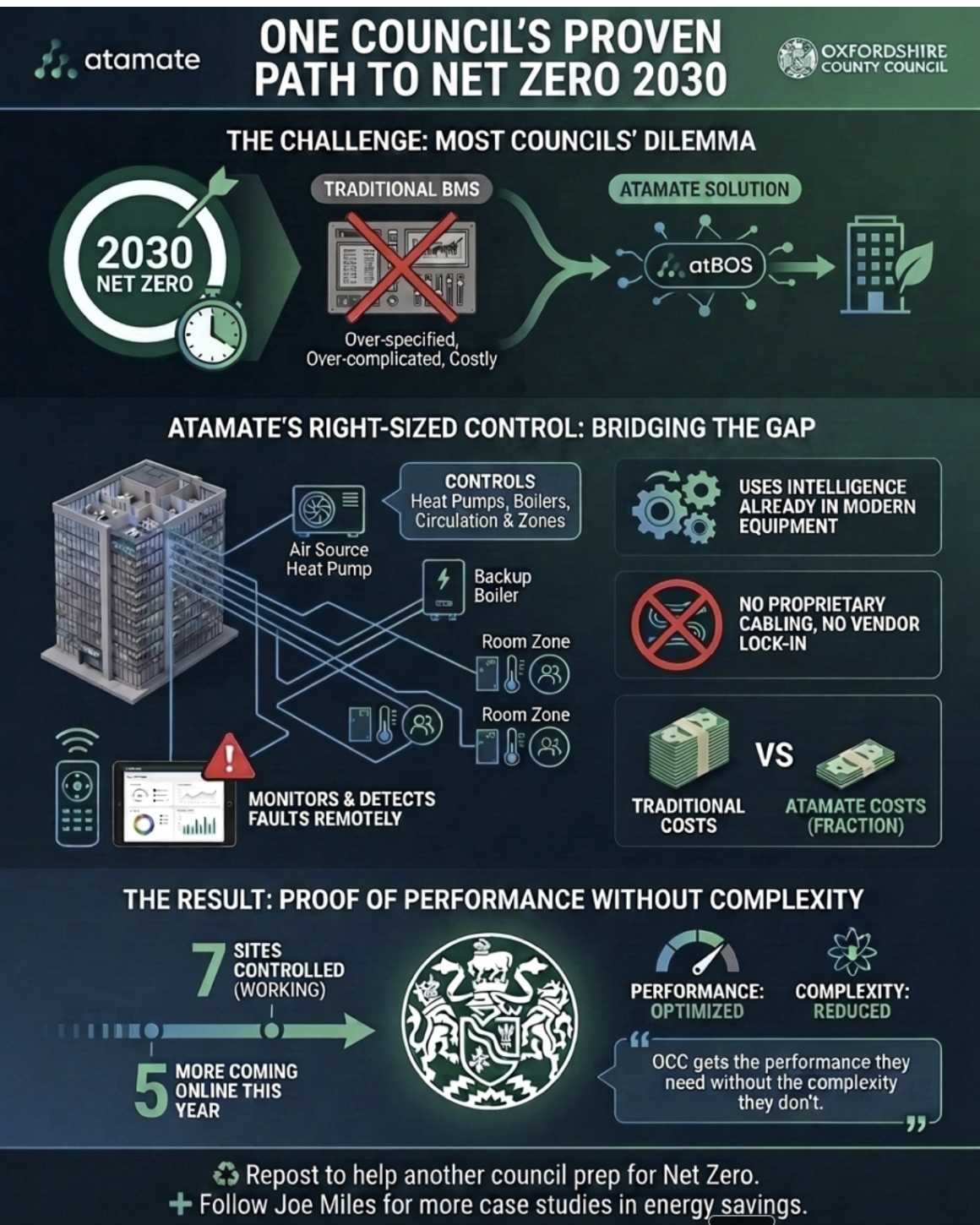
How Oxfordshire is making Net Zero affordable
See how Oxfordshire County Council uses atBOS to control heat pumps across 7 sites, moving from gas to electric without the cost of a traditional BMS.
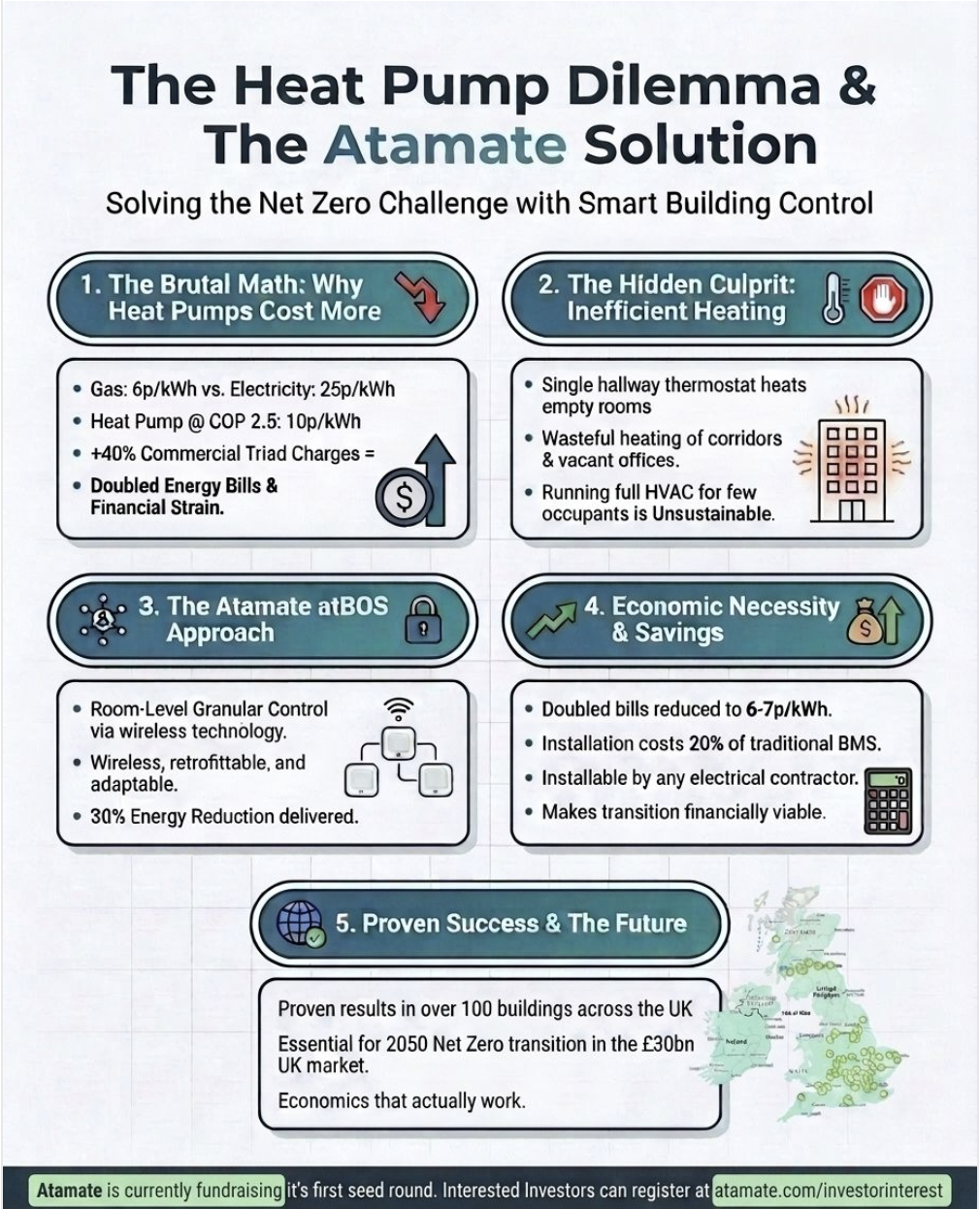
The heat pump paradox: why building control is now a necessity
Switching from gas to heat pumps can nearly double effective heating costs for commercial buildings. Here’s why room-level control is the key to making the economics work, and how atBOS brings costs back down to 6-7p per kWh.
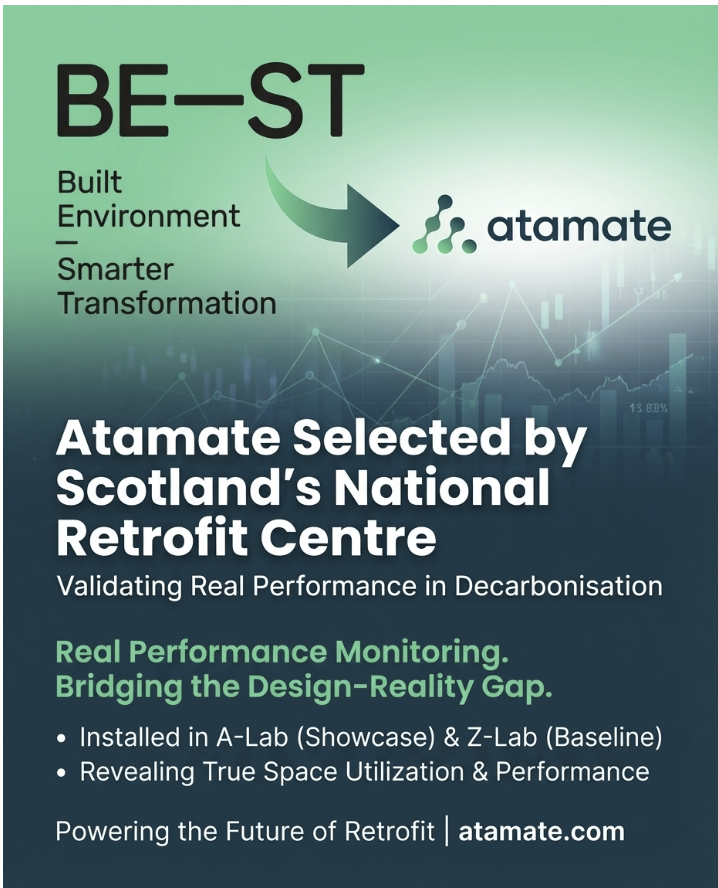
Why Scotland’s retrofit centre chose Atamate
BE-ST, Scotland’s National Retrofit Centre, has installed atBOS across its two lab sites. Here’s how real performance monitoring helps retrofit projects deliver the savings they promise, and why that matters for a £30bn market.
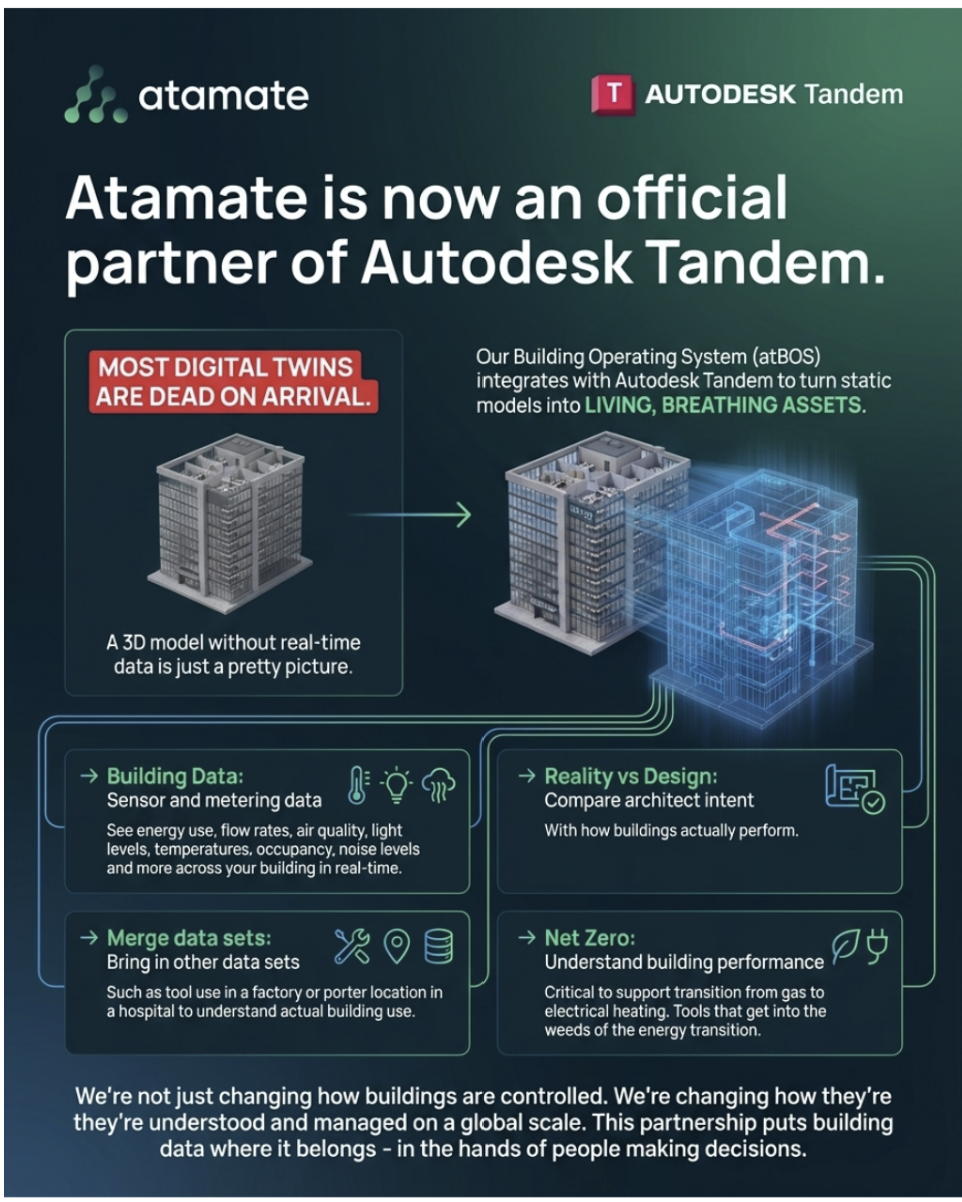
Atamate is now an official Autodesk Tandem partner
Atamate is now an official partner of Autodesk Tandem. Our Building Operating System, atBOS, feeds real-time sensor and metering data into Tandem, turning static digital twins into live models that show how buildings actually perform.
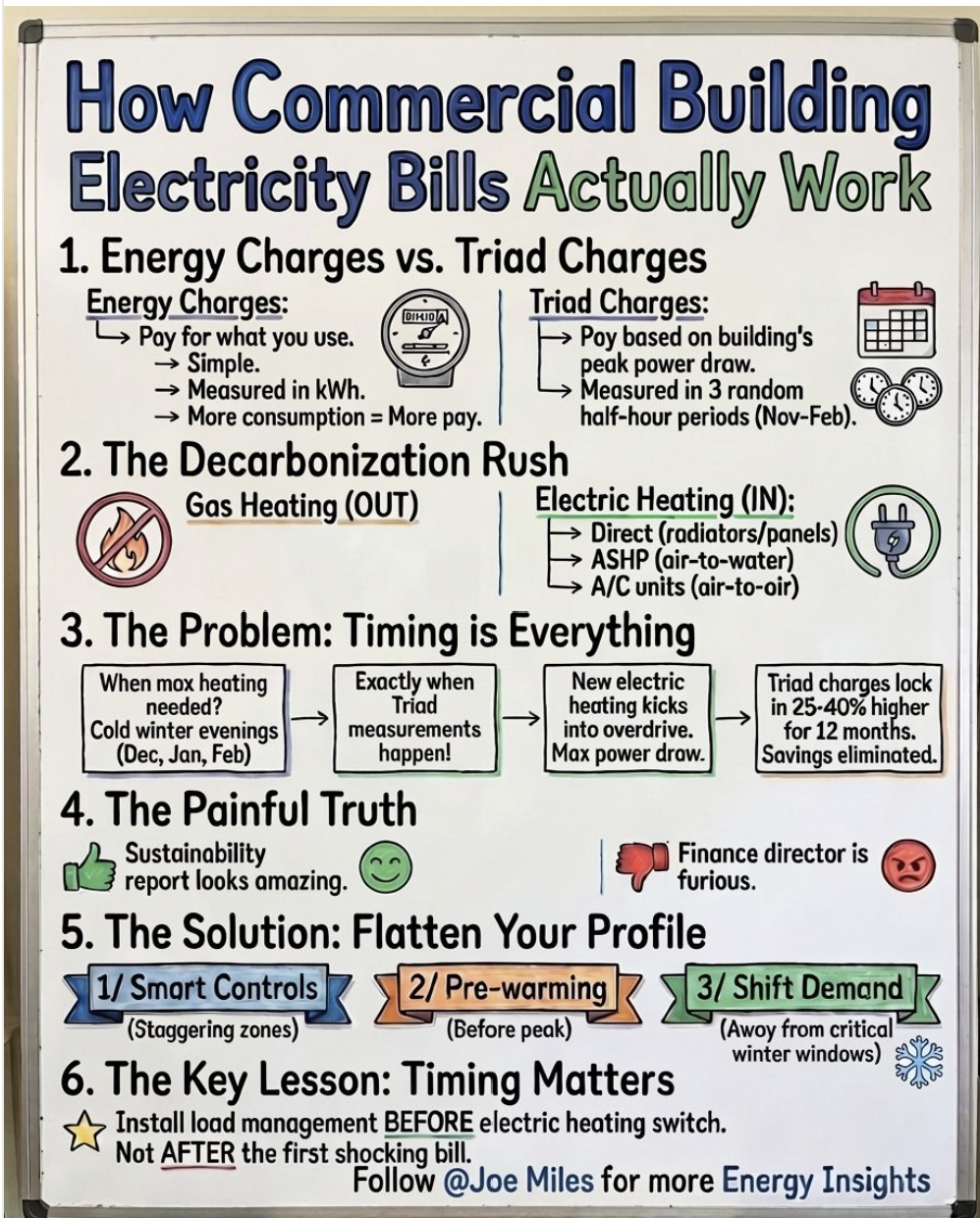
The hidden winter cost of electric heating
Commercial electricity bills charge for peak demand as well as usage, and electric heating pushes that peak up just when the grid is most expensive. Here’s why switching from gas can drive bills up, and how smart load management keeps costs in check.
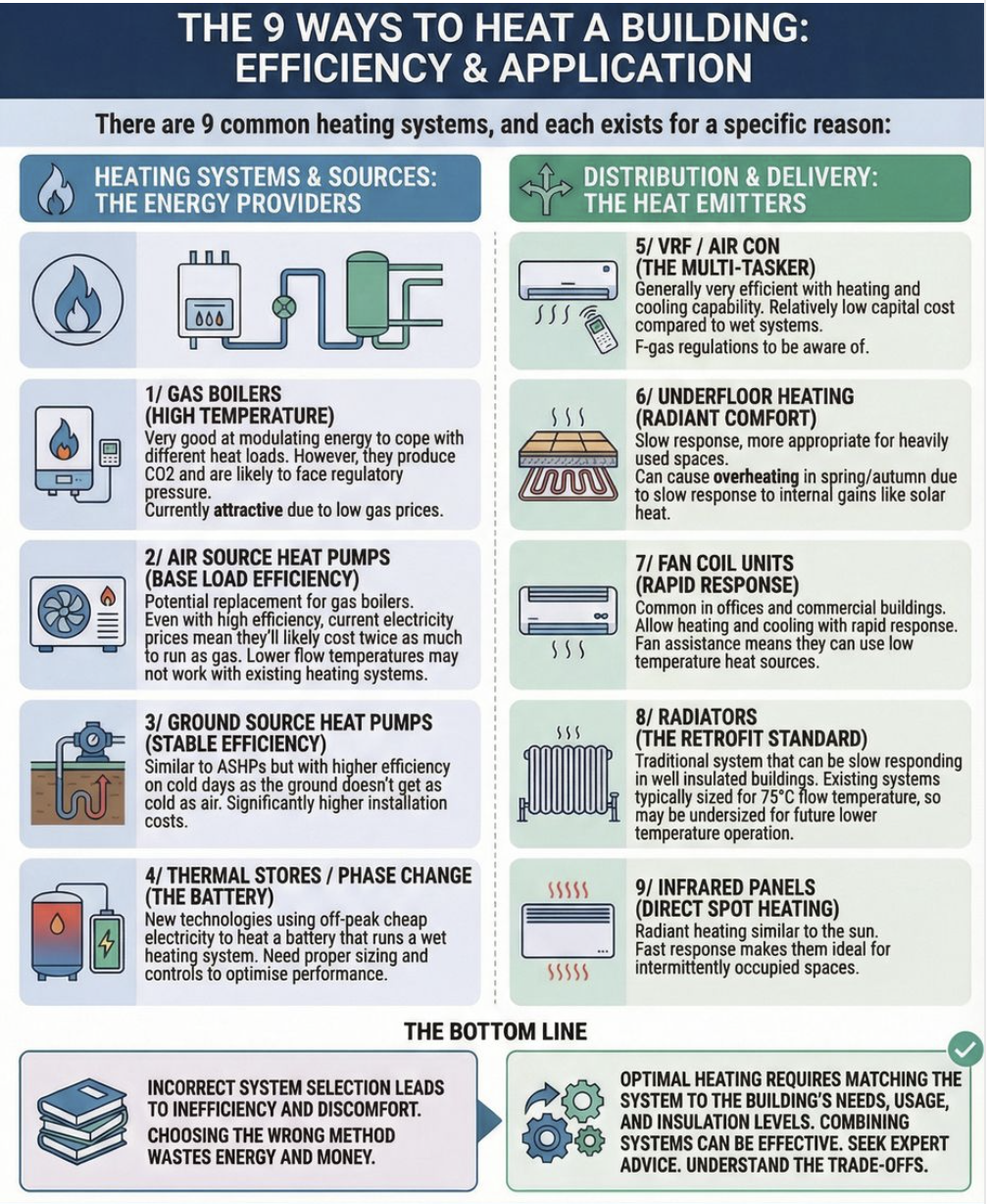
9 heating systems and when to use each one
Swapping gas boilers for electric heating means choosing between 9 common systems, from heat pumps to infrared panels. Here’s what each one does best, and why understanding how a building is used matters as much as how well it’s insulated.

The lasting impact of the Alchemai project
After 18 months, the Innovate UK-funded Alchemai project has concluded. In the final part of our series, we look at what the data revealed, the real-world challenges of decarbonisation, and what comes next, including the launch of spin-out company Inform.

What we learned from 3 months of building data
Three months into the Alchemai project, the data is in. From a museum where lighting and sockets use 80% of the electricity to spaces occupied less than 1% of the time, here’s what we found across our four pillars, and the hurdles we hit along the way.
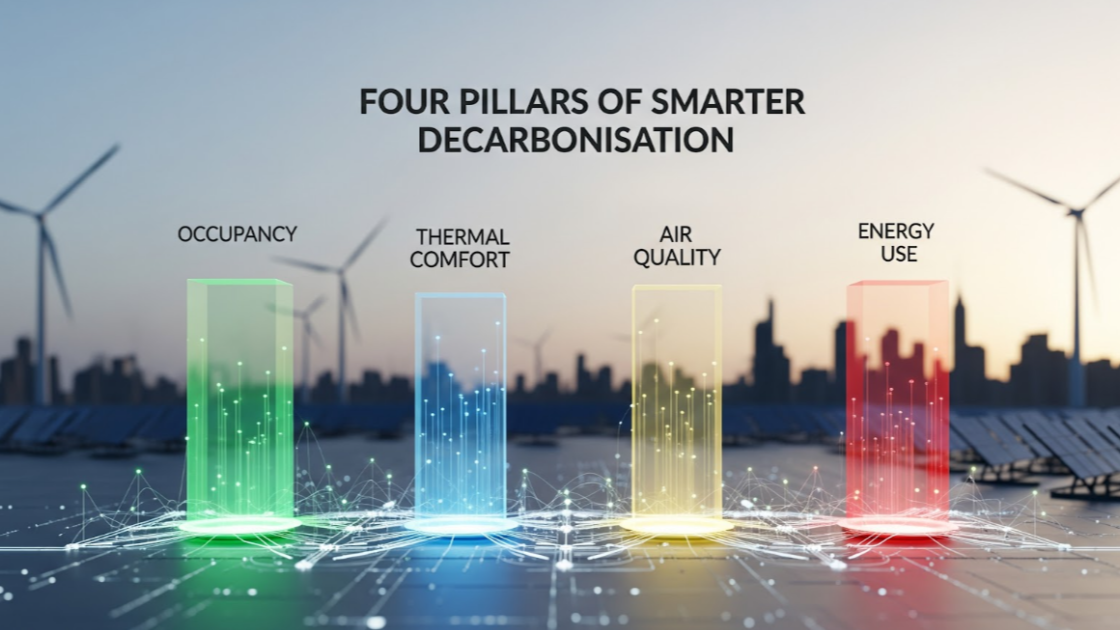
The 4 pillars of smarter decarbonisation
In part 2 of our Alchemai series, we explore the four pillars of building intelligence: occupancy, thermal comfort, air quality and energy use. Here’s what each one reveals about how buildings really perform, and how that data shapes smarter decarbonisation.
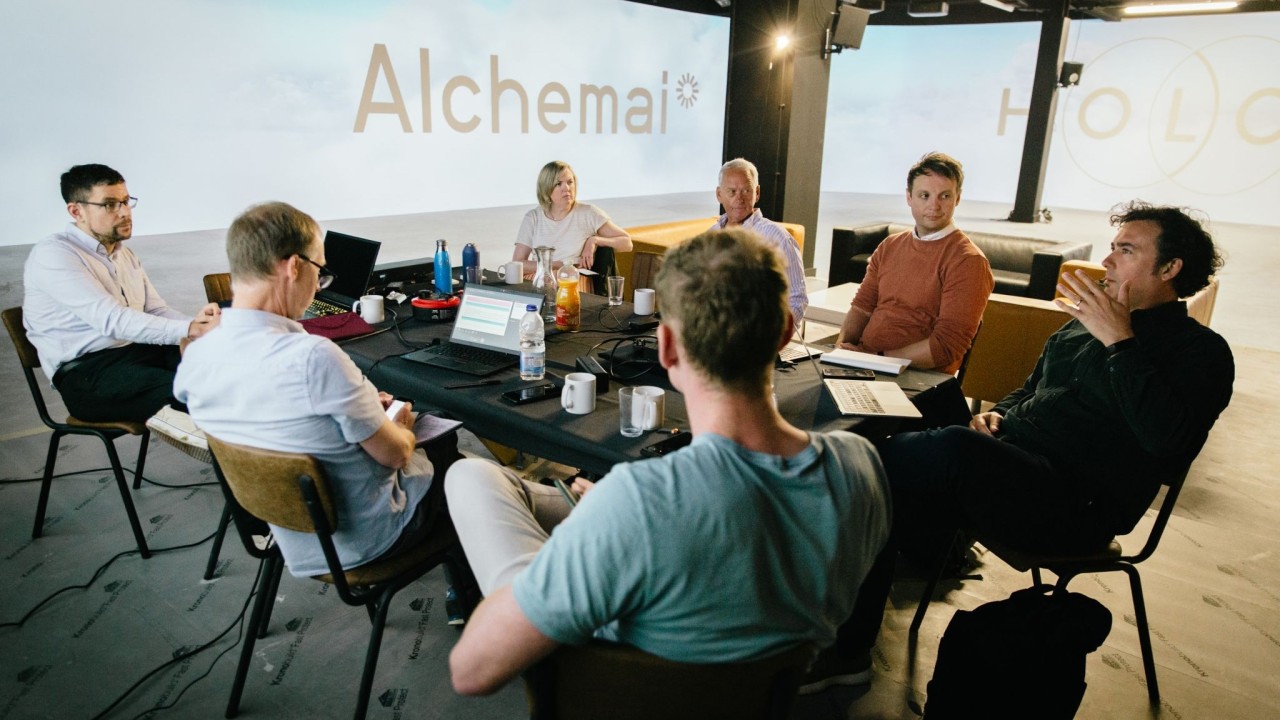
Introducing Alchemai: data-driven building decarbonisation
Alchemai is an 18-month, £2.5m Innovate UK project using building data to recommend the best routes to decarbonisation. In part 1, we introduce the project, the partners involved and the role atBOS plays in gathering the data.

Construction sites are guilty of massive carbon emissions
Many construction sites rely on diesel generators to power site cabins. Here’s how atBOS is helping Algeco cut cabin energy use by over 25%, reduce peak loads and right-size batteries and generators.